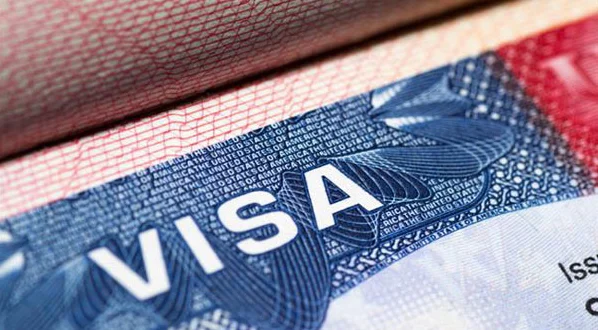
The United States has announced new travel measures that may require Nigerian applicants for B1/B2 business and tourist visas to pay visa bonds of up to $15,000
Details published on the US Department of State’s official website, Travel.State.Gov, explain that paying a visa bond does not guarantee approval. The department also warned that any fees paid without a consular officer’s instruction will not be refunded.
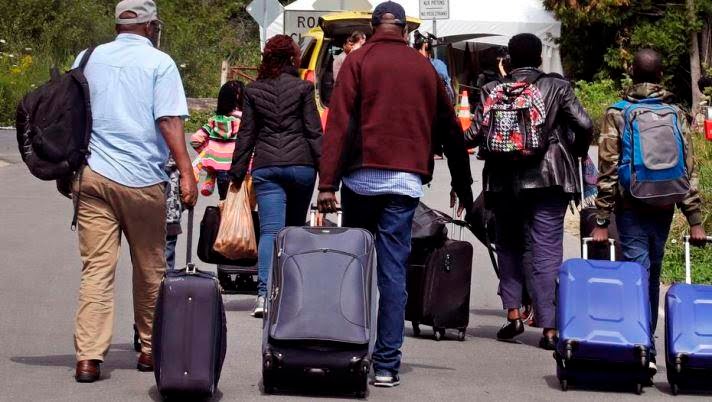
In the latest update released on Tuesday, the State Department listed 38 countries affected by the policy, with African nations accounting for 24 of them, including Nigeria.
Visa bonds are financial guarantees imposed on applicants from countries considered high-risk. They apply to individuals seeking B1/B2 visas for short-term business or tourism travel to the United States.
Implementation dates differ by country. For Nigeria, the requirement is scheduled to take effect on January 21, 2026. The State Department said nationals of the listed countries have been identified as needing visa bonds, with specific start dates indicated for each country.
Other countries affected include Algeria, Angola, Antigua and Barbuda, Bangladesh, Benin, Burundi, Cabo Verde, Côte d’Ivoire, Cuba, Djibouti, Dominica, Fiji, Gabon, Senegal, Tanzania, Uganda, Zambia, Zimbabwe, and several others, with implementation dates ranging from August 2025 to January 2026.
Under the directive, any citizen travelling on a passport from one of the listed countries who is otherwise eligible for a B1/B2 visa must post a bond of $5,000, $10,000, or $15,000. The exact amount is determined during the visa interview.
Applicants are also required to submit the Department of Homeland Security’s Form I-352 and formally accept the bond conditions through the US Department of the Treasury’s Pay.gov online payment platform. The requirement applies regardless of where the visa application is submitted.
The State Department further noted that visa holders who post bonds must enter the United States through designated airports, including Boston Logan International Airport, John F. Kennedy International Airport in New York, and Washington Dulles International Airport in Virginia.
Refunds will only be issued if the Department of Homeland Security confirms that the visa holder departed the United States on or before the expiration of their authorised stay, if the visa expires without the applicant travelling, or if the traveller applies for entry and is denied admission at a US port of entry.
Follow Us on Facebook – @LadunLiadi; Instagram – @LadunLiadi; Twitter – @LadunLiadi; Youtube – @LadunLiadiTV for updates

This is wickedness