Fiji has declared a national emergency as HIV cases surge, and is expanding access to testing, treatment and prevention services
About one in 60 adults in the tiny Pacific archipelago is now living with the bloodborne virus, compared with one in 167 five years ago, with a rising number of babies dying from HIV-related complications.
The nation of less than a million people saw 2,016 new diagnoses in 2025 alone, Health Minister Antonio Lalabalavu said, noting that “an outbreak-level response is no longer sufficient”.
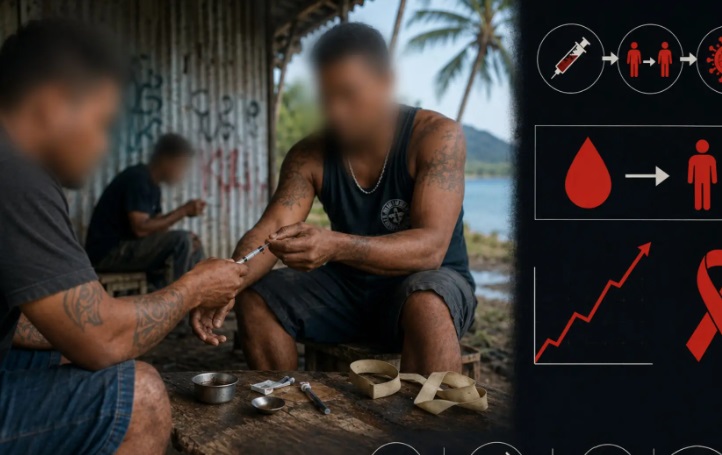
A spiralling trend of drug use, unsafe sex, needle sharing and “bluetoothing” underpins the epidemic, health experts and NGOs earlier told the BBC.
“Bluetoothing” or “hotspotting” refers to the dangerous practice where intravenous drug users inject the blood of already intoxicated individuals, which has fuelled a global HIV surge, especially in parts of Africa and in the Pacific.
One reason for its appeal is a cheaper high: multiple people can chip in for a single hit and share it among themselves. Another is the convenience of needing only one syringe, which are difficult to come by in Fiji.
The Fijian government will introduce a syringe and needle programme as part of its response to the national crisis.
Follow Us on Facebook – @LadunLiadi; Instagram – @LadunLiadi; Twitter – @LadunLiadi; Youtube – @LadunLiadiTV for updates