It was a thirst for success that
saw Tabitha Karanja put herself in the role of a David taking on a Goliath. Me just
love women like this. Read her story below…
saw Tabitha Karanja put herself in the role of a David taking on a Goliath. Me just
love women like this. Read her story below…
The 50 year old is the founder and
boss of the only large-scale brewery in Kenya actually owned by a Kenyan. Mrs Karanja, one of only a handful
of female brewery owners across Africa, set up the business – Keroche Breweries
– with her husband back in 1997.
boss of the only large-scale brewery in Kenya actually owned by a Kenyan. Mrs Karanja, one of only a handful
of female brewery owners across Africa, set up the business – Keroche Breweries
– with her husband back in 1997.
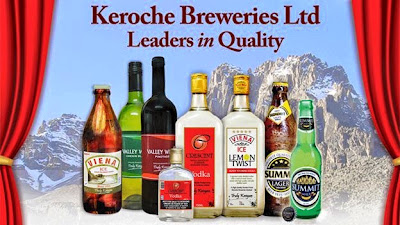
Initially making a fortified wine,
the company has since moved into spirits and, from 2008, making beer.
the company has since moved into spirits and, from 2008, making beer.
Its lager brand Summit is now so
popular in the country that earlier this year Keroche opened a $29m (£19m)
expansion at its brewery in the town of Naivasha, 90km (56 miles) north west of
the capital Nairobi.
popular in the country that earlier this year Keroche opened a $29m (£19m)
expansion at its brewery in the town of Naivasha, 90km (56 miles) north west of
the capital Nairobi.
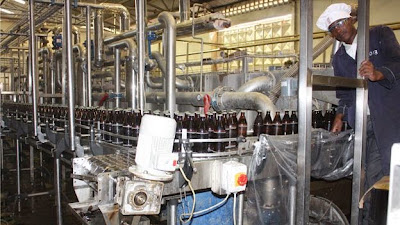
It will enable Keroche to increase
its production ten-fold, from 10 million litres of beer per year to 110 million
litres.
its production ten-fold, from 10 million litres of beer per year to 110 million
litres.
The success has come despite the
presence of a Goliath that has towered over the Kenyan beer market for more
than 90 years – East African Breweries (EAB), part of UK-headquartered,
multinational drinks giant Diageo.
presence of a Goliath that has towered over the Kenyan beer market for more
than 90 years – East African Breweries (EAB), part of UK-headquartered,
multinational drinks giant Diageo.
EAB continues to brew eight out of
every 10 beers sold in Kenya, led by its Tusker brand.
every 10 beers sold in Kenya, led by its Tusker brand.
Such has been EAB’s dominance that
Mrs Karanja has faced a struggle finding distributors willing to sell her beer.
Mrs Karanja has faced a struggle finding distributors willing to sell her beer.
She has also had to battle against
big tax rises and copycat rivals.
big tax rises and copycat rivals.
Yet Mrs Karanja says she is
confident that the expansion will enable Keroche to increase its share of the
Kenyan beer market from 5% to 20%, and increase its inroads into EAB’s part of
the market.
confident that the expansion will enable Keroche to increase its share of the
Kenyan beer market from 5% to 20%, and increase its inroads into EAB’s part of
the market.
Gap in the market
The first of 10 children born into
a middle-class family, Mrs Karanja says she was lucky enough to have gone to
one of the best schools in Kenya.
a middle-class family, Mrs Karanja says she was lucky enough to have gone to
one of the best schools in Kenya.
After graduating she initially
worked as a librarian, but she says she could not shake off the desire to start
and run a business.
worked as a librarian, but she says she could not shake off the desire to start
and run a business.
So after marrying her husband they
co-ran a hardware store for seven years, but then she says she wanted to do
something more interesting.
co-ran a hardware store for seven years, but then she says she wanted to do
something more interesting.
“I got bored running the
shop, and started looking for new opportunities in the world of business,”
she says.
shop, and started looking for new opportunities in the world of business,”
she says.
Despite having no experience of
the drinks industry, Mrs Karanja recognised a gap in the market – the fact that
low income Kenyans struggled to afford to buy the beer and other alcoholic
products of EAB and the other global firms, such as SAB Miller.
the drinks industry, Mrs Karanja recognised a gap in the market – the fact that
low income Kenyans struggled to afford to buy the beer and other alcoholic
products of EAB and the other global firms, such as SAB Miller.
Instead too many Kenyans were
being injured or even killed by dangerous homemade brews.
being injured or even killed by dangerous homemade brews.
To solve this problem and
hopefully establish a viable business, Mrs Karanja came up with the idea of
making a fortified wine, which despite being low priced, would be made to high
standards.
hopefully establish a viable business, Mrs Karanja came up with the idea of
making a fortified wine, which despite being low priced, would be made to high
standards.

So using their savings, Mrs
Karanja and her husband set up Keroche, with her as chief executive and her
husband as chairman.
Karanja and her husband set up Keroche, with her as chief executive and her
husband as chairman.
Employing staff with drinks
industry experience, they initially took on five employees.
industry experience, they initially took on five employees.
And in a country used to all
alcoholic drinks coming in glass bottles, they decided to use plastic bottles
instead to keep the cost down. This however, did not initially go down well
with consumers, when the fortified wine, called Viena, was released.
alcoholic drinks coming in glass bottles, they decided to use plastic bottles
instead to keep the cost down. This however, did not initially go down well
with consumers, when the fortified wine, called Viena, was released.
Mrs Karanja says: “The
initial days of the business were the toughest, getting people to trust our
plastic packaged products was not easy, many people thought we were packaging
some dangerous stuff that could knock out drinkers.”
initial days of the business were the toughest, getting people to trust our
plastic packaged products was not easy, many people thought we were packaging
some dangerous stuff that could knock out drinkers.”
Keroche also faced a problem in
getting Viena distributed, as most distributors wished to continue working
solely for EAB.
getting Viena distributed, as most distributors wished to continue working
solely for EAB.
So instead Mrs Karanja had to set
up her own network of agents.
up her own network of agents.
Expansion plans
Over the next five years sales
slowly built up, but Ms Karanja says that the business was then hit by
copycats, small producers setting up to make their own fortified wines sold in
plastic bottles.
slowly built up, but Ms Karanja says that the business was then hit by
copycats, small producers setting up to make their own fortified wines sold in
plastic bottles.
She says that these wines were
often unsafe, including some which stole the Viena name and pretended to be the
real thing.
often unsafe, including some which stole the Viena name and pretended to be the
real thing.

As a result of health concerns,
the Kenyan government substantially increased taxation on the new sector.
the Kenyan government substantially increased taxation on the new sector.
So Keroche stopped making
fortified wine and moved into beer, gin, vodka, and wine imported from South
Africa, all sold in glass bottles.
fortified wine and moved into beer, gin, vodka, and wine imported from South
Africa, all sold in glass bottles.
Today the business has a 20% share
of the overall drinks market in Kenya, and 5% of beer sales. It employs 300
people, and its annual turnover is $63m.
of the overall drinks market in Kenya, and 5% of beer sales. It employs 300
people, and its annual turnover is $63m.
The continuing success of the
company has seen Mrs Karanja win a number of pan-African business leader
awards.
company has seen Mrs Karanja win a number of pan-African business leader
awards.
And although Keroche’s products
are currently only on sale in Kenya, she is now eyeing expansion into Uganda,
Tanzania and Rwanda, and thanks her husband and all the staff for the
business’s continuing success.
are currently only on sale in Kenya, she is now eyeing expansion into Uganda,
Tanzania and Rwanda, and thanks her husband and all the staff for the
business’s continuing success.
She says: “I value and trust
that my staff will always do their work the right way.
that my staff will always do their work the right way.
“I allow everyone to perform
their duties without breathing down their necks. However, I’m a hands on person
who knows everything that goes on around here.”
their duties without breathing down their necks. However, I’m a hands on person
who knows everything that goes on around here.”
Follow Us on Facebook – @LadunLiadi; Instagram – @LadunLiadi; Twitter – @LadunLiadi; Youtube – @LadunLiadiTV for updates