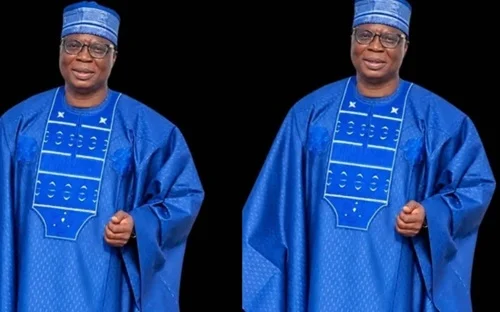
The presidential candidate of the All Progressives Party,
APC, spoke today at the Chatham House in London, where he said he will restore
Nigeria’s lost glory.
APC, spoke today at the Chatham House in London, where he said he will restore
Nigeria’s lost glory.
Permit me to start by thanking Chatham House for the
invitation to talk about this important topic at this crucial time. When
speaking about Nigeria overseas, I normally prefer to be my country’s public
relations and marketing officer, extolling her virtues and hoping to attract
investments and tourists. But as we all know, Nigeria is now battling with many
challenges, and if I refer to them, I do so only to impress on our friends in
the United Kingdom that we are quite aware of our shortcomings and are doing
our best to address them.
invitation to talk about this important topic at this crucial time. When
speaking about Nigeria overseas, I normally prefer to be my country’s public
relations and marketing officer, extolling her virtues and hoping to attract
investments and tourists. But as we all know, Nigeria is now battling with many
challenges, and if I refer to them, I do so only to impress on our friends in
the United Kingdom that we are quite aware of our shortcomings and are doing
our best to address them.
The 2015 general election in Nigeria is generating a lot of
interests within and outside the country. This is understandable. Nigeria,
Africa’s most populous country and largest economy, is at a defining moment, a
moment that has great implications beyond the democratic project and beyond the
borders of my dear country.
interests within and outside the country. This is understandable. Nigeria,
Africa’s most populous country and largest economy, is at a defining moment, a
moment that has great implications beyond the democratic project and beyond the
borders of my dear country.
So let me say upfront that the global interest in Nigeria’s
landmark election is not misplaced at all and indeed should be commended; for
this is an election that has serious import for the world. I urge the
international community to continue to focus on Nigeria at this very critical
moment. Given increasing global linkages, it is in our collective interests
that the postponed elections should hold on the rescheduled dates; that they
should be free and fair; that their outcomes should be respected by all
parties; and that any form of extension, under whichever guise, is
unconstitutional and will not be tolerated.
landmark election is not misplaced at all and indeed should be commended; for
this is an election that has serious import for the world. I urge the
international community to continue to focus on Nigeria at this very critical
moment. Given increasing global linkages, it is in our collective interests
that the postponed elections should hold on the rescheduled dates; that they
should be free and fair; that their outcomes should be respected by all
parties; and that any form of extension, under whichever guise, is
unconstitutional and will not be tolerated.
With the fall of the Berlin Wall in 1989, the dissolution of
the USSR in 1991, the collapse of communism and the end of the Cold War,
democracy became the dominant and most preferred system of government across
the globe. That global transition has been aptly captured as the triumph of
democracy and the ‘most pre-eminent political idea of our time.’ On a personal
note, the phased end of the USSR was a turning point for me. It convinced me
that change can be brought about without firing a single shot.
the USSR in 1991, the collapse of communism and the end of the Cold War,
democracy became the dominant and most preferred system of government across
the globe. That global transition has been aptly captured as the triumph of
democracy and the ‘most pre-eminent political idea of our time.’ On a personal
note, the phased end of the USSR was a turning point for me. It convinced me
that change can be brought about without firing a single shot.
As you all know, I had been a military head of state in
Nigeria for twenty months. We intervened because we were unhappy with the state
of affairs in our country. We wanted to arrest the drift. Driven by patriotism,
influenced by the prevalence and popularity of such drastic measures all over
Africa and elsewhere, we fought our way to power. But the global triumph of
democracy has shown that another and a preferable path to change is possible.
It is an important lesson I have carried with me since, and a lesson that is
not lost on the African continent.
Nigeria for twenty months. We intervened because we were unhappy with the state
of affairs in our country. We wanted to arrest the drift. Driven by patriotism,
influenced by the prevalence and popularity of such drastic measures all over
Africa and elsewhere, we fought our way to power. But the global triumph of
democracy has shown that another and a preferable path to change is possible.
It is an important lesson I have carried with me since, and a lesson that is
not lost on the African continent.
In the last two decades, democracy has grown strong roots in
Africa. Elections, once so rare, are now so commonplace. As at the time I was a
military head of state between 1983 and 1985, only four African countries held
regular multi-party elections. But the number of electoral democracies in
Africa, according to Freedom House, jumped to 10 in 1992/1993 then to 18 in
1994/1995 and to 24 in 2005/2006. According to the New York Times, 42 of the 48
countries in Sub-Saharan Africa conducted multi-party elections between 1990
and 2002.
Africa. Elections, once so rare, are now so commonplace. As at the time I was a
military head of state between 1983 and 1985, only four African countries held
regular multi-party elections. But the number of electoral democracies in
Africa, according to Freedom House, jumped to 10 in 1992/1993 then to 18 in
1994/1995 and to 24 in 2005/2006. According to the New York Times, 42 of the 48
countries in Sub-Saharan Africa conducted multi-party elections between 1990
and 2002.
The newspaper also reported that between 2000 and 2002,
ruling parties in four African countries (Senegal, Mauritius, Ghana and Mali)
peacefully handed over power to victorious opposition parties. In addition, the
proportion of African countries categorized as not free by Freedom House
declined from 59% in 1983 to 35% in 2003. Without doubt, Africa has been part
of the current global wave of democratisation.
ruling parties in four African countries (Senegal, Mauritius, Ghana and Mali)
peacefully handed over power to victorious opposition parties. In addition, the
proportion of African countries categorized as not free by Freedom House
declined from 59% in 1983 to 35% in 2003. Without doubt, Africa has been part
of the current global wave of democratisation.
But the growth of democracy on the continent has been
uneven. According to Freedom House, the number of electoral democracies in
Africa slipped from 24 in 2007/2008 to 19 in 2011/2012; while the percentage of
countries categorised as ‘not free’ assuming for the sake of argument that we
accept their definition of “free” increased from 35% in 2003 to 41% in 2013.
Also, there have been some reversals at different times in Burkina Faso,
Central African Republic, Cote D’Ivoire, Guinea, Guinea-Bissau, Lesotho, Mali,
Madagascar, Mauritania and Togo. We can choose to look at the glass of democracy
in Africa as either half full or half empty.
uneven. According to Freedom House, the number of electoral democracies in
Africa slipped from 24 in 2007/2008 to 19 in 2011/2012; while the percentage of
countries categorised as ‘not free’ assuming for the sake of argument that we
accept their definition of “free” increased from 35% in 2003 to 41% in 2013.
Also, there have been some reversals at different times in Burkina Faso,
Central African Republic, Cote D’Ivoire, Guinea, Guinea-Bissau, Lesotho, Mali,
Madagascar, Mauritania and Togo. We can choose to look at the glass of democracy
in Africa as either half full or half empty.
While you can’t have representative democracy without
elections, it is equally important to look at the quality of the elections and
to remember that mere elections do not democracy make. It is globally agreed
that democracy is not an event, but a journey. And that the destination of that
journey is democratic consolidation – that state where democracy has become so
rooted and so routine and widely accepted by all actors.
elections, it is equally important to look at the quality of the elections and
to remember that mere elections do not democracy make. It is globally agreed
that democracy is not an event, but a journey. And that the destination of that
journey is democratic consolidation – that state where democracy has become so
rooted and so routine and widely accepted by all actors.
With this important destination in mind, it is clear that
though many African countries now hold regular elections, very few of them have
consolidated the practice of democracy. It is important to also state at this
point that just as with elections, a consolidated democracy cannot be an end by
itself. I will argue that it is not enough to hold a series of elections or
even to peacefully alternate power among parties.
though many African countries now hold regular elections, very few of them have
consolidated the practice of democracy. It is important to also state at this
point that just as with elections, a consolidated democracy cannot be an end by
itself. I will argue that it is not enough to hold a series of elections or
even to peacefully alternate power among parties.
It is much more important that the promise of democracy goes
beyond just allowing people to freely choose their leaders. It is much more
important that democracy should deliver on the promise of choice, of freedoms,
of security of lives and property, of transparency and accountability, of rule
of law, of good governance and of shared prosperity. It is very important that the
promise embedded in the concept of democracy, the promise of a better life for
the generality of the people, is not delivered in the breach.
beyond just allowing people to freely choose their leaders. It is much more
important that democracy should deliver on the promise of choice, of freedoms,
of security of lives and property, of transparency and accountability, of rule
of law, of good governance and of shared prosperity. It is very important that the
promise embedded in the concept of democracy, the promise of a better life for
the generality of the people, is not delivered in the breach.
Now, let me quickly turn to Nigeria. As you all know,
Nigeria’s fourth republic is in its 16th year and this general election will be
the fifth in a row. This is a major sign of progress for us, given that our
first republic lasted five years and three months, the second republic ended
after four years and two months and the third republic was a still-birth. However,
longevity is not the only reason why everyone is so interested in this
election.
Nigeria’s fourth republic is in its 16th year and this general election will be
the fifth in a row. This is a major sign of progress for us, given that our
first republic lasted five years and three months, the second republic ended
after four years and two months and the third republic was a still-birth. However,
longevity is not the only reason why everyone is so interested in this
election.
The major difference this time around is that for the very
first time since transition to civil rule in 1999, the ruling Peoples
Democratic Party (PDP) is facing its stiffest opposition so far from our party
the All Progressives Congress (APC). We once had about 50 political parties,
but with no real competition. Now Nigeria is transitioning from a dominant
party system to a competitive electoral polity, which is a major marker on the
road to democratic consolidation. As you know, peaceful alternation of power
through competitive elections have happened in Ghana, Senegal, Malawi and
Mauritius in recent times. The prospects of democratic consolidation in Africa
will be further brightened when that eventually happens in Nigeria.
first time since transition to civil rule in 1999, the ruling Peoples
Democratic Party (PDP) is facing its stiffest opposition so far from our party
the All Progressives Congress (APC). We once had about 50 political parties,
but with no real competition. Now Nigeria is transitioning from a dominant
party system to a competitive electoral polity, which is a major marker on the
road to democratic consolidation. As you know, peaceful alternation of power
through competitive elections have happened in Ghana, Senegal, Malawi and
Mauritius in recent times. The prospects of democratic consolidation in Africa
will be further brightened when that eventually happens in Nigeria.
But there are other reasons why Nigerians and the whole
world are intensely focussed on this year’s elections, chief of which is that
the elections are holding in the shadow of huge security, economic and social
uncertainties in Africa’s most populous country and largest economy. On
insecurity, there is a genuine cause for worry, both within and outside
Nigeria. Apart from the civil war era, at no other time in our history has
Nigeria been this insecure.
world are intensely focussed on this year’s elections, chief of which is that
the elections are holding in the shadow of huge security, economic and social
uncertainties in Africa’s most populous country and largest economy. On
insecurity, there is a genuine cause for worry, both within and outside
Nigeria. Apart from the civil war era, at no other time in our history has
Nigeria been this insecure.
Boko Haram has sadly put Nigeria on the terrorism map,
killing more than 13,000 of our nationals, displacing millions internally and
externally, and at a time holding on to portions of our territory the size of
Belgium. What has been consistently lacking is the required leadership in our
battle against insurgency. I, as a retired general and a former head of state,
have always known about our soldiers: they are capable, well trained,
patriotic, brave and always ready to do their duty in the service of our
country.
killing more than 13,000 of our nationals, displacing millions internally and
externally, and at a time holding on to portions of our territory the size of
Belgium. What has been consistently lacking is the required leadership in our
battle against insurgency. I, as a retired general and a former head of state,
have always known about our soldiers: they are capable, well trained,
patriotic, brave and always ready to do their duty in the service of our
country.
You all can bear witness to the gallant role of our military
in Burma, the Democratic Republic of Congo, Sierra Leone, Liberia, Darfur and
in many other peacekeeping operations in several parts of the world. But in the
matter of this insurgency, our soldiers have neither received the necessary support
nor the required incentives to tackle this problem. The government has also
failed in any effort towards a multi-dimensional response to this problem
leading to a situation in which we have now become dependent on our neighbours
to come to our rescue.
in Burma, the Democratic Republic of Congo, Sierra Leone, Liberia, Darfur and
in many other peacekeeping operations in several parts of the world. But in the
matter of this insurgency, our soldiers have neither received the necessary support
nor the required incentives to tackle this problem. The government has also
failed in any effort towards a multi-dimensional response to this problem
leading to a situation in which we have now become dependent on our neighbours
to come to our rescue.
Let me assure you that if I am elected president, the world
will have no cause to worry about Nigeria as it has had to recently; that
Nigeria will return to its stabilising role in West Africa; and that no inch of
Nigerian territory will ever be lost to the enemy because we will pay special
attention to the welfare of our soldiers in and out of service, we will give
them adequate and modern arms and ammunitions to work with, we will improve
intelligence gathering and border controls to choke Boko Haram’s financial and
equipment channels, we will be tough on terrorism and tough on its root causes
by initiating a comprehensive economic development plan promoting
infrastructural development, job creation, agriculture and industry in the
affected areas. We will always act on time and not allow problems to
irresponsibly fester, and I, Muhammadu Buhari, will always lead from the front
and return Nigeria to its leadership role in regional and international efforts
to combat terrorism.
will have no cause to worry about Nigeria as it has had to recently; that
Nigeria will return to its stabilising role in West Africa; and that no inch of
Nigerian territory will ever be lost to the enemy because we will pay special
attention to the welfare of our soldiers in and out of service, we will give
them adequate and modern arms and ammunitions to work with, we will improve
intelligence gathering and border controls to choke Boko Haram’s financial and
equipment channels, we will be tough on terrorism and tough on its root causes
by initiating a comprehensive economic development plan promoting
infrastructural development, job creation, agriculture and industry in the
affected areas. We will always act on time and not allow problems to
irresponsibly fester, and I, Muhammadu Buhari, will always lead from the front
and return Nigeria to its leadership role in regional and international efforts
to combat terrorism.
On the economy, the fall in prices of oil has brought our
economic and social stress into full relief. After the rebasing exercise in
April 2014, Nigeria overtook South Africa as Africa’s largest economy. Our GDP
is now valued at $510 billion and our economy rated 26th in the world. Also on
the bright side, inflation has been kept at single digit for a while and our
economy has grown at an average of 7% for about a decade.
economic and social stress into full relief. After the rebasing exercise in
April 2014, Nigeria overtook South Africa as Africa’s largest economy. Our GDP
is now valued at $510 billion and our economy rated 26th in the world. Also on
the bright side, inflation has been kept at single digit for a while and our
economy has grown at an average of 7% for about a decade.
But it is more of paper growth, a growth that, on account of
mismanagement, profligacy and corruption, has not translated to human
development or shared prosperity. A development economist once said three
questions should be asked about a country’s development: one, what is happening
to poverty? Two, what is happening to unemployment? And three, what is
happening to inequality?
mismanagement, profligacy and corruption, has not translated to human
development or shared prosperity. A development economist once said three
questions should be asked about a country’s development: one, what is happening
to poverty? Two, what is happening to unemployment? And three, what is
happening to inequality?
The answers to these questions in Nigeria show that the
current administration has created two economies in one country, a sorry tale
of two nations: one economy for a few who have so much in their tiny island of
prosperity; and the other economy for the many who have so little in their vast
ocean of misery.
current administration has created two economies in one country, a sorry tale
of two nations: one economy for a few who have so much in their tiny island of
prosperity; and the other economy for the many who have so little in their vast
ocean of misery.
Even by official figures, 33.1% of Nigerians live in extreme
poverty. That’s at almost 60 million, almost the population of the United
Kingdom. There is also the unemployment crisis simmering beneath the surface,
ready to explode at the slightest stress, with officially 23.9% of our adult
population and almost 60% of our youth unemployed. We also have one of the
highest rates of inequalities in the world.
poverty. That’s at almost 60 million, almost the population of the United
Kingdom. There is also the unemployment crisis simmering beneath the surface,
ready to explode at the slightest stress, with officially 23.9% of our adult
population and almost 60% of our youth unemployed. We also have one of the
highest rates of inequalities in the world.
With all these, it is not surprising that our performance on
most governance and development indicators (like Mo Ibrahim Index on African
Governance and UNDP’s Human Development Index.) are unflattering. With fall in
the prices of oil, which accounts for more than 70% of government revenues, and
lack of savings from more than a decade of oil boom, the poor will be
disproportionately impacted.
most governance and development indicators (like Mo Ibrahim Index on African
Governance and UNDP’s Human Development Index.) are unflattering. With fall in
the prices of oil, which accounts for more than 70% of government revenues, and
lack of savings from more than a decade of oil boom, the poor will be
disproportionately impacted.
In the face of dwindling revenues, a good place to start the
repositioning of Nigeria’s economy is to swiftly tackle two ills that have
ballooned under the present administration: waste and corruption. And in doing
this, I will, if elected, lead the way, with the force of personal example.
repositioning of Nigeria’s economy is to swiftly tackle two ills that have
ballooned under the present administration: waste and corruption. And in doing
this, I will, if elected, lead the way, with the force of personal example.
On corruption, there will be no confusion as to where I
stand. Corruption will have no place and the corrupt will not be appointed into
my administration. First and foremost, we will plug the holes in the budgetary
process. Revenue producing entities such as NNPC and Customs and Excise will
have one set of books only. Their revenues will be publicly disclosed and regularly
audited. The institutions of state dedicated to fighting corruption will be
given independence and prosecutorial authority without political interference.
stand. Corruption will have no place and the corrupt will not be appointed into
my administration. First and foremost, we will plug the holes in the budgetary
process. Revenue producing entities such as NNPC and Customs and Excise will
have one set of books only. Their revenues will be publicly disclosed and regularly
audited. The institutions of state dedicated to fighting corruption will be
given independence and prosecutorial authority without political interference.
But I must emphasise that any war waged on corruption should
not be misconstrued as settling old scores or a witch-hunt. I’m running for
President to lead Nigeria to prosperity and not adversity.
not be misconstrued as settling old scores or a witch-hunt. I’m running for
President to lead Nigeria to prosperity and not adversity.
In reforming the economy, we will use savings that arise
from blocking these leakages and the proceeds recovered from corruption to fund
our party’s social investments programmes in education, health, and safety nets
such as free school meals for children, emergency public works for unemployed
youth and pensions for the elderly.
from blocking these leakages and the proceeds recovered from corruption to fund
our party’s social investments programmes in education, health, and safety nets
such as free school meals for children, emergency public works for unemployed
youth and pensions for the elderly.
As a progressive party, we must reform our political economy
to unleash the pent-up ingenuity and productivity of the Nigerian people thus
freeing them from the curse of poverty. We will run a private sector-led
economy but maintain an active role for government through strong regulatory
oversight and deliberate interventions and incentives to diversify the base of
our economy, strengthen productive sectors, improve the productive capacities
of our people and create jobs for our teeming youths.
to unleash the pent-up ingenuity and productivity of the Nigerian people thus
freeing them from the curse of poverty. We will run a private sector-led
economy but maintain an active role for government through strong regulatory
oversight and deliberate interventions and incentives to diversify the base of
our economy, strengthen productive sectors, improve the productive capacities
of our people and create jobs for our teeming youths.
In short, we will run a functional economy driven by a
worldview that sees growth not as an end by itself, but as a tool to create a
society that works for all, rich and poor alike. On March 28, Nigeria has a
decision to make. To vote for the continuity of failure or to elect progressive
change. I believe the people will choose wisely.
worldview that sees growth not as an end by itself, but as a tool to create a
society that works for all, rich and poor alike. On March 28, Nigeria has a
decision to make. To vote for the continuity of failure or to elect progressive
change. I believe the people will choose wisely.
In sum, I think that given its strategic importance, Nigeria
can trigger a wave of democratic consolidation in Africa. But as a starting
point we need to get this critical election right by ensuring that they go
ahead, and depriving those who want to scuttle it the benefit of derailing our
fledgling democracy. That way, we will all see democracy and democratic
consolidation as tools for solving pressing problems in a sustainable way, not
as ends in themselves.
can trigger a wave of democratic consolidation in Africa. But as a starting
point we need to get this critical election right by ensuring that they go
ahead, and depriving those who want to scuttle it the benefit of derailing our
fledgling democracy. That way, we will all see democracy and democratic
consolidation as tools for solving pressing problems in a sustainable way, not
as ends in themselves.
Prospects for Democratic Consolidation in Africa: Nigeria’s
Transition
Transition
Permit me to close this discussion on a personal note. I
have heard and read references to me as a former dictator in many respected
British newspapers including the well regarded Economist. Let me say without
sounding defensive that dictatorship goes with military rule, though some might
be less dictatorial than others. I take responsibility for whatever happened
under my watch.
have heard and read references to me as a former dictator in many respected
British newspapers including the well regarded Economist. Let me say without
sounding defensive that dictatorship goes with military rule, though some might
be less dictatorial than others. I take responsibility for whatever happened
under my watch.
I cannot change the past. But I can change the present and
the future. So before you is a former military ruler and a converted democrat
who is ready to operate under democratic norms and is subjecting himself to the
rigours of democratic elections for the fourth time.
the future. So before you is a former military ruler and a converted democrat
who is ready to operate under democratic norms and is subjecting himself to the
rigours of democratic elections for the fourth time.
You may ask: why is he doing this? This is a question I ask
myself all the time too. And here is my humble answer: because the work of
making Nigeria great is not yet done, because I still believe that change is
possible, this time through the ballot, and most importantly, because I still
have the capacity and the passion to dream and work for a Nigeria that will be
respected again in the comity of nations and that all Nigerians will be proud
of.
myself all the time too. And here is my humble answer: because the work of
making Nigeria great is not yet done, because I still believe that change is
possible, this time through the ballot, and most importantly, because I still
have the capacity and the passion to dream and work for a Nigeria that will be
respected again in the comity of nations and that all Nigerians will be proud
of.
I thank you for listening.
Follow Us on Facebook – @LadunLiadi; Instagram – @LadunLiadi; Twitter – @LadunLiadi; Youtube – @LadunLiadiTV for updates