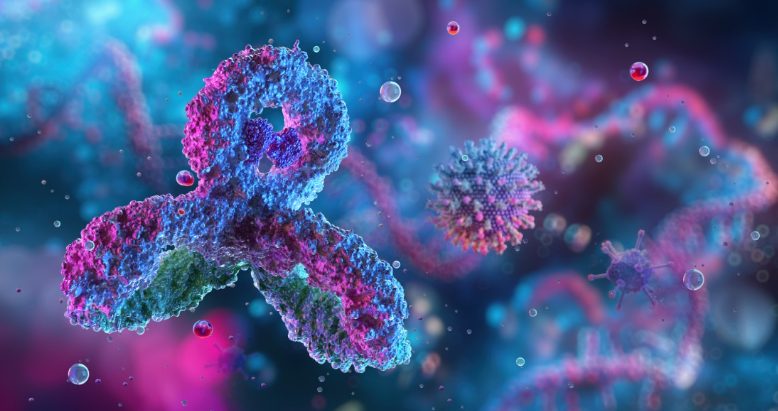
Thymulin has long attracted scientific curiosity due to its unique position at the intersection of immunology and endocrinology. Originally described as a thymic peptide factor with potential modulatory properties, it gradually evolved from a simple thymus- derived molecule into a multifaceted research tool with implications that span structural biology, immune signaling, neuroendocrine communication, and the exploration of cellular age-related physiological dynamics.
Over the past decades, research models and investigations have provided glimpses into its possible roles in various regulatory networks, although many aspects remain insufficiently explored. The peptide’s relatively small structure, zinc dependent conformational state, and suspected pleiotropic signaling potential make it an intriguing candidate for modern peptide science.
Molecular Identity and Biochemical Features
Thymulin is traditionally described as a nonapeptide synthesized by thymic epithelial cells. Research indicates that its bioactive form appears to require the presence of a zinc ion, which helps stabilize its tertiary structure and may support receptor binding.
This zinc-dependent configuration has been theorized to contribute to the peptide’s possible signaling versatility. Investigations purport that different ionic environments within the organism might influence its conformation, potentially altering its interactions with immune-related pathways.
Its structural simplicity, combined with its reliance on a trace metal for activation, has made Thymulin a subject of interest among scientists studying peptide folding, metallopeptide interactions, and receptor recognition. Certain biochemical analyses propose that Thymulin might engage with yet-unidentified surface receptors, although the precise binding partners remain under discussion. Because of its potential to maintain stability under varying thermal and enzymatic conditions, researchers view it as a valuable model for studying how small peptides might achieve disproportionally broad biological impacts.
Thymulin and the Thymic Microenvironment
The thymus has long been considered a central organ for the maturation and coordination of immune cells. Within this landscape, Thymulin is believed to play a symbolic role, potentially contributing to the orchestration of intrathymic communication. While the exact mechanisms remain unresolved, research suggests that the peptide may support the functional maturation of various immune elements. Investigations purport that Thymulin might participate in processes related to immune cell differentiation and communication, helping maintain the structural and biochemical context required for an organism’s immunological equilibrium.
One particularly interesting avenue involves age-related thymic involution, a natural process during which the thymus undergoes significant structural and functional reduction. Because Thymulin levels appear closely linked to thymic physiology, scientists have theorized that the peptide might serve as a marker for the thymic microenvironment’s integrity. Research indicates that declining Thymulin levels in aging cells might be correlated with the broader landscape of immunosenescence. This relationship has inspired hypotheses that the peptide might someday support research into cellular age-associated immune restructuring.
Possible Immunomodulatory Properties
While the full scope of Thymulin’s immunological properties is still being uncovered, studies suggest that the peptide may engage with immune cells both within and outside the thymus. Investigations imply that Thymulin might influence cytokine signaling cascades, potentially enhancing or modifying communication pathways involved in immune activation or regulation. Some researchers theorize that the peptide might serve as an intermediary between the thymic epithelium and peripheral immune components.
A recurring theme in the literature is the peptide’s suspected potential to modulate the activity of immune-related enzymes and transcription factors. Although these findings are preliminary, they point toward the possibility that Thymulin participates in immune homeostasis by affecting intracellular pathways associated with regulation, proliferation, or communication.
Because immune pathways are deeply interconnected with the research model’s metabolic and endocrine systems, Thymulin’s suspected action within immunity may indirectly relate to broader systemic dynamics. Research into these connections remains ongoing, and scientists continue exploring how this thymic peptide might integrate within overlapping regulatory networks.
Interactions with the Neuroendocrine System
One of Thymulin’s most intriguing research directions involves its suspected involvement in neuroendocrine signaling. Research indicates that Thymulin may influence several components of the hypothalamic-pituitary axis. Investigations purport that exposure to the peptide in research models might correspond with shifts in neurohormonal secretion patterns, although the causality remains speculative.
The thymus and neuroendocrine system are deeply interlinked, sharing reciprocal communication pathways. Thymulin appears to occupy a strategic position within this dialogue. Some scientists theorize that it might act as a biochemical messenger between immune and endocrine tissues. For example, certain studies suggest a relationship between Thymulin signaling and pituitary hormones, implying a bidirectional communication mechanism that may contribute to the organism’s integrative homeostasis.
Furthermore, Thymulin’s presence in neurological tissue has attracted attention from neurobiological researchers. Although definitive roles remain unproven, early studies suggest that the peptide might support neural cell communication or impact glial behavior in controlled environments. These findings contribute to the growing notion that Thymulin may not be limited to traditional immune functions.
Thymulin in Inflammation and Homeostatic Research
Inflammatory pathways represent another significant domain in which Thymulin has gained interest. Several investigations purport that the peptide might influence inflammatory mediators, possibly contributing to research frameworks involving chronic
or acute immune activation. Its suspected interactions with cytokines and signaling molecules suggest that Thymulin may serve as a model compound for studying how immune-derived peptides impact inflammatory balance.
Beyond inflammation, researchers are exploring the peptide’s potential role in overall physiological homeostasis. Because the thymus is heavily involved in systemic regulation through immune-endocrine crosstalk, Thymulin is viewed as an indicator of broader internal stability. Research models evaluating metabolic, endocrine, or neurological changes often include Thymulin level assessments to determine whether alterations in thymic-related regulation accompany those changes.
This has yielded innovative hypotheses in which Thymulin is treated not only as a peptide of immune importance but also as a biomarker for integrated cellular function.
While such theories require further investigation, they underscore the peptide’s relevance in multi-system analyses.
Potential Implications in Cellular Aging and Longevity Research
The relationship between thymic decline, immune weakening, and cellular aging has long been documented. Because Thymulin appears tied to thymic structural integrity, cellular age-associated reductions in its activity raise interesting questions for longevity science. Studies suggest that the peptide might support inquiries into how thymic atrophy impacts systemic communication networks. By monitoring changes in Thymulin expression and activity, researchers might uncover new insights into the biological mechanisms underlying immune aging. Thymulin’s theorized neuroendocrine roles further reinforce its relevance in this field, given that age-related dysregulation often spans both immune and hormonal systems.
Another promising direction involves evaluating how Thymulin reacts in research models exposed to oxidative stress, metabolic disruption, or artificial immune challenges. Investigations purport that modulating these environmental factors might shift Thymulin dynamics, offering clues about the peptide’s broader role in organismal resilience. While the conclusions remain preliminary, this intersection between Thymulin and stress biology has become a compelling point of inquiry.
Conclusion: A Multifunctional Peptide With Expanding Research Horizons
Thymulin has transitioned from a thymic curiosity into a versatile subject of cross-disciplinary scientific exploration. Although many of its actions remain speculative, the cumulative research landscape points toward a peptide that might participate in immune maturation, neuroendocrine regulation, inflammatory balance, and cellular age-related physiological dynamics. Its zinc-dependent structural behavior, widespread distribution in research contexts, and suspected signaling versatility make it an increasingly valuable molecule for modern investigations. Read this study for more useful peptide data.
Follow Us on Facebook – @LadunLiadi; Instagram – @LadunLiadi; Twitter – @LadunLiadi; Youtube – @LadunLiadiTV for updates