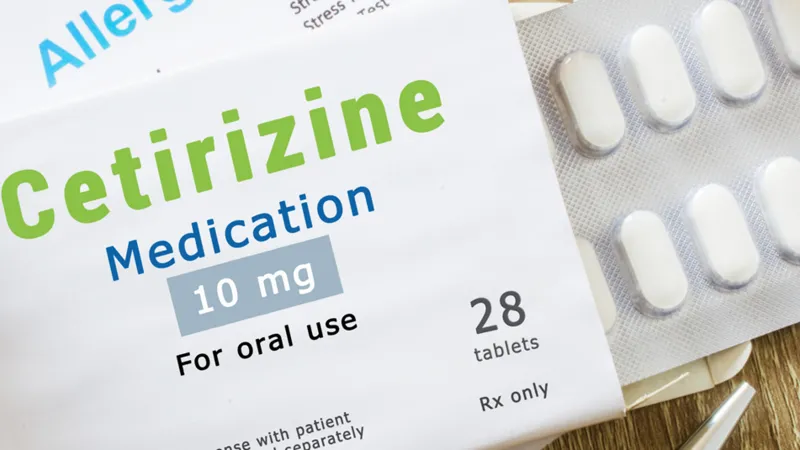
Kenyan pharmacists have warned women against inserting allergy tablets into their va.ginas in an attempt to make them tighter, following the spread of potentially dangerous medical advice on social media
The warning follows a wave of social media posts promoting cetirizine – a widely available oral antihistamine used to treat allergies – as a way of tightening the vagina, supposedly to enhance s3xual pleasure.
Although antihistamines can sometimes cause dryness as a side effect, experts say this does not strengthen va.ginal muscles.
“Dryness is not tightness… instead, it may increase friction, discomfort, and the risk of tissue injury,” the Pharmaceutical Society of Kenya (PSK) said.
“Inserting oral tablets is unsafe. Cetirizine tablets are made to be swallowed. Their ingredients have not been tested on delicate vaginal tissue,” it added.
Cetirizine is commonly used to relieve symptoms such as sneezing, a runny nose, itchy eyes and skin reactions, including hives.
The controversy began earlier this week when posts circulated on TikTok claiming that cetirizine could reduce vaginal moisture and create a sensation of tightness during sex.
This sparked widespread debate, with some users promoting the practice while others questioned its safety.
There have also been local media reports of the price of the drug rising and increased demand in some pharmacies, especially in the capital, Nairobi.
“Cetirizine is an allergy medicine, taken by mouth. It is not approved or tested for any other purpose, and definitely not for vaginal use,” the PSK, a professional body representing pharmacists in Kenya, said in a statement issued on Thursday.
“If you have already tried it. Stop. See a doctor if you have pain, bleeding, burning, itching, unusual discharge, or fever,” it advised.
The society also urged social media influencers and content creators to take care when sharing health information, saying that unverified claims could put people’s health at risk.
The warning comes a day after Kenya’s health ministry expressed concern about the trend.
Follow Us on Facebook – @LadunLiadi; Instagram – @LadunLiadi; Twitter – @LadunLiadi; Youtube – @LadunLiadiTV for updates