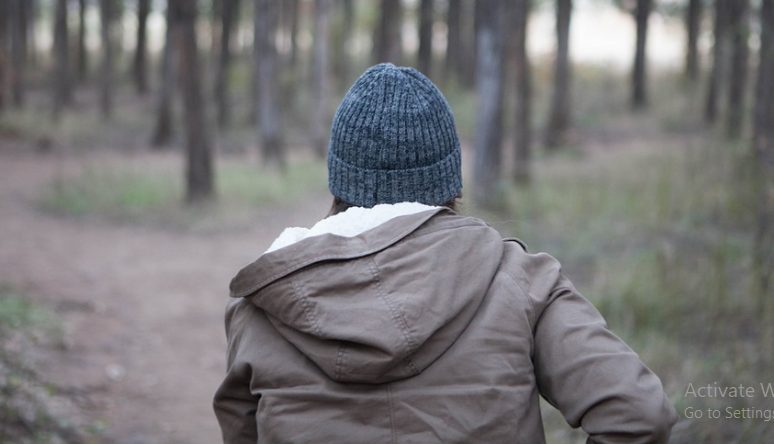
Have you ever been caught in a sudden downpour during a hike or safari? The rain falls hard, and your clothes are soaked in seconds. Choosing the right waterproof jacket for African outdoor adventures can make all the difference.
Africa’s outdoor environments are full of beauty and surprise. But they also come with weather that changes fast.
Whether you’re hiking in the mountains, exploring forests, or going on a desert trip, the right jacket keeps you dry, safe, and comfortable. In this post, you’ll learn what features to look for so you can enjoy every adventure with confidence.
Why Africa’s Weather Needs a Special Jacket?
Africa is a large continent with many types of weather. You might walk under a hot sun in the morning and face a cold rain in the afternoon. Some areas have sudden storms or heavy winds.
Other places have long rainy seasons. These changes make it important to have a jacket that handles all kinds of weather. You don’t want something too light that soaks through quickly.
But you also don’t want something so thick that you sweat too much. A good waterproof jacket for Africa must protect you from rain, wind, and heat without making you feel trapped or heavy.
Lightweight but Tough Is the Way to Go
For many African trips, your jacket needs to be easy to carry. A light jacket lets you move freely. It’s easier to pack in a backpack or tie around your waist.
But light doesn’t mean weak. The jacket must be strong enough to deal with thorns, branches, or rough use. Some jackets use thin fabrics that tear easily.
A well-made jacket will balance lightness with strength. Check for jackets made with tough, rip-resistant fabric that still feels easy to wear.
Breathability Matters More Than You Think
You might think a waterproof jacket only needs to block rain. But if it can’t breathe, you’ll be wet from your own sweat. African climates are often hot and humid.
If your jacket traps heat, you’ll feel sticky and tired. Breathable jackets let your body heat and sweat escape while keeping rain out. Look for jackets that use breathable materials and have vents or zippers under the arms.
These small features make a big difference when the sun comes out after a heavy shower.
The Hood Should Fit Well and Stay Put
A loose or floppy hood won’t help when the wind picks up. You need a hood that fits well around your head and stays in place. It should cover your forehead without blocking your eyes.
Some hoods come with drawstrings or small bills to keep rain off your face. In wild places, a good hood also helps keep bugs away. Try to find a jacket with a firm, adjustable hood that won’t flap around when you move or turn your head.
Check for Taped Seams and Water-Resistant Zippers
Even the best fabric means little if water gets in through the seams. Taped seams are sealed to keep water from sneaking through the tiny holes made by stitching. Water-resistant zippers help too.
A normal zipper may let water slide through during heavy rain. A good waterproof jacket should have sealed seams and strong zippers that keep the rain out. These small details protect you when storms come fast and strong.
Choose Pockets That Work for You
Pockets might seem like a small thing, but they matter a lot. When you’re outside, you need a place for your phone, snacks, or map. Look for jackets with pockets that are easy to reach.
Some jackets have inside pockets for dry storage and outside pockets with covers or zippers. Deep pockets are helpful when you don’t want to carry a bag. Just make sure they close well so rain doesn’t get inside.
Not All Jackets Are Noisy or Stiff
Some waterproof jackets feel noisy or stiff. They rustle when you move or feel like plastic. This can be annoying during a hike or safari.
Try to find a jacket made with soft, quiet material that still protects you. The Keela SF Belay is a good example. It’s strong and weatherproof but also soft and easy to move in.
You won’t feel like you’re wearing a tent. This kind of jacket helps you focus on the adventure, not the clothes on your back.
Pick a Jacket That Matches Your Activities
Think about what you’ll be doing. A jacket for climbing in the Drakensberg Mountains needs to be different from one used for walking around a national park.
If you’re going on long treks, you need something very light and easy to pack. For rough areas with sharp plants or rocks, you’ll need tougher fabric.
If your adventure includes boat rides or wet forest trails, make sure the jacket offers full water protection. Matching your jacket to your trip helps you stay safe and comfortable.
Colors and Style Also Count
While function comes first, style matters too. Bright colors help you stand out in case of trouble. Earth tones like brown or green blend in better with nature.
This is useful for wildlife watching or guided tours. Some jackets are made to look sporty, while others look simple and clean.
Choose something that fits your look but doesn’t lose on function. A jacket that feels good and looks good will likely be worn more often.
Zippers, Drawstrings, and Extra Features
Look closely at the small parts of the jacket. Do the zippers move smoothly? Can you adjust the cuffs or waist to block wind?
Are there drawstrings at the bottom to tighten the fit? Some jackets even come with a packable hood or back vent. These extra features may not seem big, but they add to your comfort.
A jacket that adjusts to your body and the weather is better than one that doesn’t. Small touches like chin guards and storm flaps can also stop cold air and rain from getting in. When every detail works well, your jacket becomes a true part of your outdoor gear.
Get Ready to Stay Dry and Explore with Confidence
Choosing the right waterproof jacket for African outdoor adventures is more than just picking any raincoat. It’s about finding something that matches the land, the weather, and your own needs.
From the hot plains to cool mountains, your jacket should help you move freely, stay dry, and enjoy every moment. Now that you know what features to look for, you’re ready to choose wisely and pack with confidence.
Did this guide help you? Browse the rest of this section for more advice on a variety of topics.
Follow Us on Facebook – @LadunLiadi; Instagram – @LadunLiadi; Twitter – @LadunLiadi; Youtube – @LadunLiadiTV for updates