
President Bola Ahmed Tinubu is set to sign into law four landmark tax reform bills on Thursday, marking a major milestone in the administration’s push to modernize Nigeria’s fiscal system, simplify tax administration, and improve the business climate
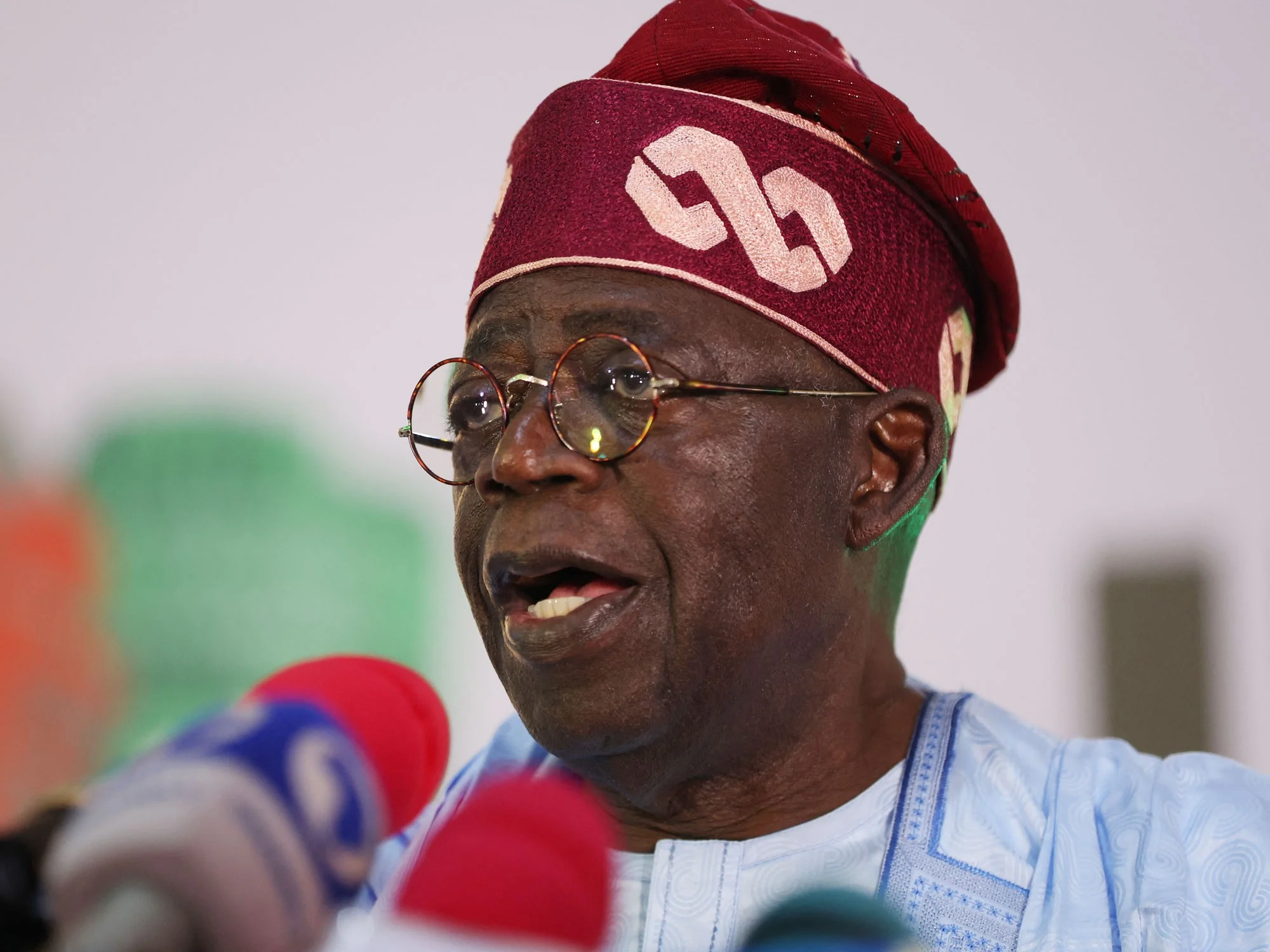
The bills — Nigeria Tax Bill, Nigeria Tax Administration Bill, Nigeria Revenue Service (Establishment) Bill, and the Joint Revenue Board (Establishment) Bill — were recently passed by the National Assembly after extensive consultations with stakeholders and technical experts.
The signing ceremony will take place at the State House in Abuja, with top government officials in attendance, including the Senate President, Speaker of the House of Representatives, committee chairmen, governors’ forum leaders, and key ministers.
In a statement on Wednesday, Special Adviser to the President on Information and Strategy, Bayo Onanuga, said the new laws represent a critical step in Tinubu’s economic reform agenda. He noted that the reforms will enhance revenue generation, reduce the burden of tax compliance, and create a more business-friendly environment.
“These laws will significantly transform tax administration in the country, leading to increased revenue generation, an improved business environment, and a boost in domestic and foreign investments,” the statement read.
The Nigeria Tax Bill, also known as the Ease of Doing Business bill, seeks to consolidate Nigeria’s fragmented and overlapping tax laws into a single, harmonised statute. It is designed to eliminate multiple taxation, reduce compliance burdens on taxpayers, and create a more transparent and predictable fiscal environment.
The Nigeria Tax Administration Bill introduces a uniform operational and legal framework for tax administration across federal, state, and local governments. It aims to standardise procedures and reduce conflicts in the collection and management of taxes at various levels of government.
The Nigeria Revenue Service (Establishment) Bill repeals the existing Federal Inland Revenue Service (FIRS) Act and establishes a new, autonomous national revenue agency — the Nigeria Revenue Service (NRS). In addition to collecting taxes, the NRS will also handle non-tax revenues, operating under a stricter regime of transparency, accountability, and performance monitoring.
The Joint Revenue Board (Establishment) Bill creates a formal institutional framework to foster cooperation and coordination among revenue authorities across all tiers of government. It introduces new accountability structures, including the establishment of a Tax Appeal Tribunal and an Office of the Tax Ombudsman, to ensure fairness in tax enforcement and the resolution of taxpayer grievances.
Follow Us on Facebook – @LadunLiadi; Instagram – @LadunLiadi; Twitter – @LadunLiadi; Youtube – @LadunLiadiTV for updates




OKAY