Cases of a k!ller tropical virus have surged 43 per cent in the UK – with health chiefs urging Brits to protect themselves in four key ways over Easter holidays
Chikungunya infections linked to travel are the highest they’ve ever been in England, the UK Health Security Agency (UKHSA) warned.
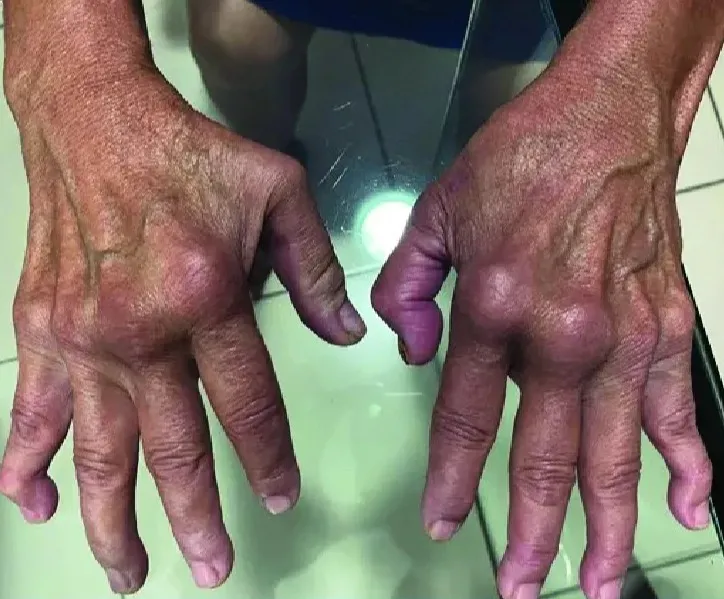
The disease is spread by the bites of infected mosquitoes and causes crippling joint pain that can leave people folded over in agony.
First identified during an outbreak in Tanzania in 1952, chikungunya remained contained to parts of Africa and Asia for many years.
But encouraged by travel and warmer temperatures, the virus has now spread to new areas – including holiday spots popular with Brits, like France and Italy. UKHSA’s new report on travel-associated infections shows that the number of chikungunya infections rose 43 per cent in 2025.
The number of chikungunya cases in England, Wales and Northern Ireland increased to 160 in 2025, up from 112 in 2024, the health watchdog said. The majority of cases were in people who had travelled to Sri Lanka, India and Bangladesh.
The first symptoms of chikungunya are usually a high fever and severe joint pain, this is often worse in small joints – like in the hands, wrists and feet – or in spots that have previously been injured.
Many patients also experience muscle pain, headaches, sensitivity to light, and skin rashes. While most people recover fully within one to two weeks, the joint pain can persist for months or even years in some cases.
Up to 12 per cent of patients still have sore joints years after being bitten by an infected critter. Serious complications are rare, affecting one in every 1,000 people. But babies, elderly people, and adults with underlying health conditions, can be at higher risk.
Follow Us on Facebook – @LadunLiadi; Instagram – @LadunLiadi; Twitter – @LadunLiadi; Youtube – @LadunLiadiTV for updates




Speedy recovery