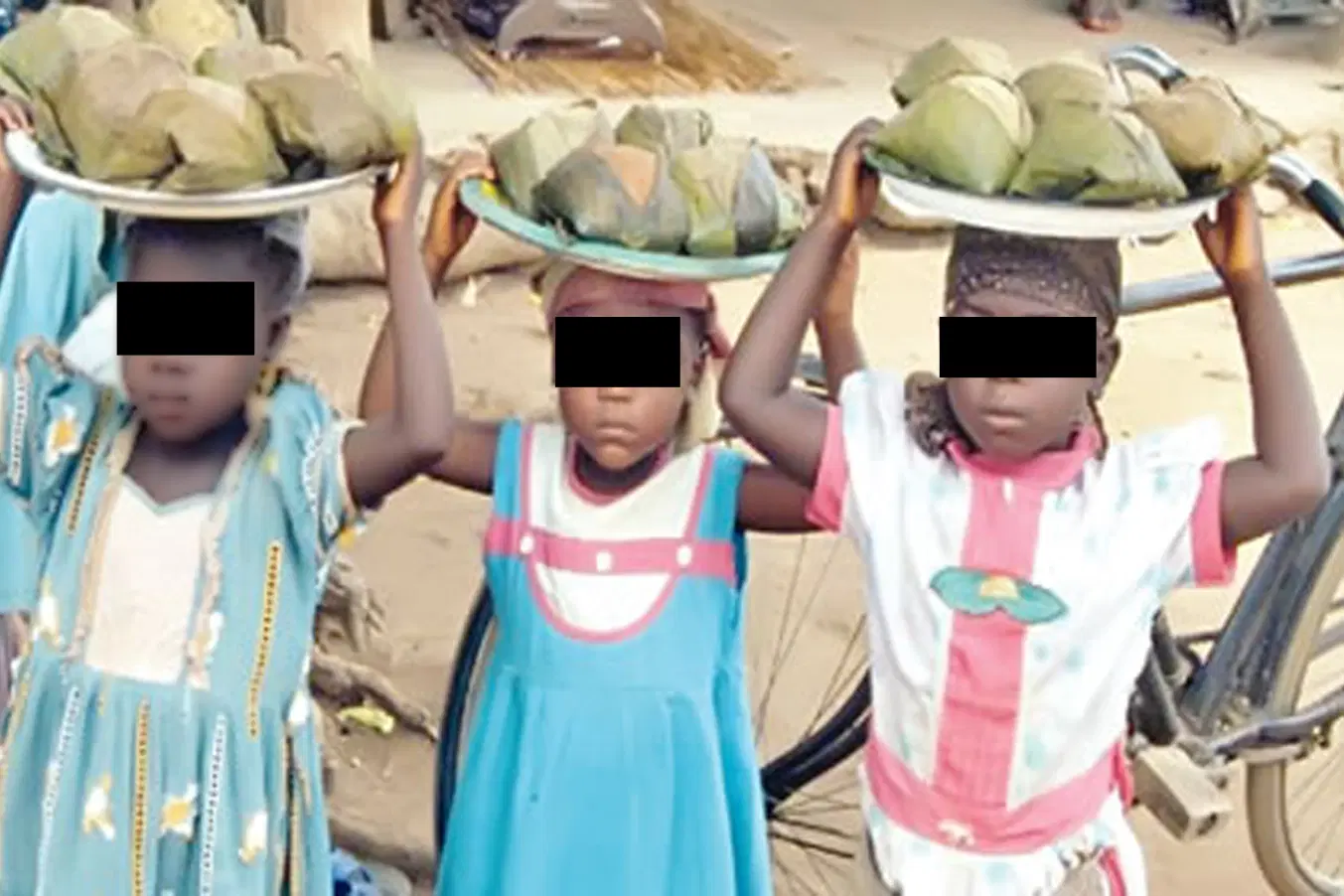
The federal government has raised fresh concern over Nigeria’s worsening out-of-school children crisis, disclosing that about 15 million children were currently out of school
The government, however, said it had intensified nationwide efforts to tackle the crisis through data-driven reforms, stronger collaboration and targeted investments aimed at expanding access to education and improving learning outcomes.
The Minister of Education, Dr. Maruf Tunji Alausa, who disclosed this at the 2026 Basic Education in Nigeria Bootcamp held in Jos, Plateau State, said credible education data and accurate learner tracking remained critical to solving Nigeria’s long-standing education challenges, including persistent gaps in foundational literacy and numeracy.
He said: “Reliable data remains the backbone of effective education reform. Without knowing where the children are and why they are out of school, meaningful solutions cannot be implemented.”
The minister disclosed that the federal ministry of education was expanding the Digital National Education Management Information System, NEMIS, and accelerating the rollout of the Learner Identification Number, LIN, to enable real-time tracking of learners nationwide.
According to him, the 2025/2026 annual school census has already captured over two million learners, generating critical insights to guide policy decisions, improve enrolment strategies and strengthen accountability.
He added that nearly one million out-of-school children had been mapped for reintegration into formal schools and alternative learning pathways.
Alausa further disclosed that between January 2025 and January 2026, states accessed over N106 billion in Universal Basic Education Commission, UBEC, matching grants to strengthen basic education delivery nationwide.
He added that N22 billion had also been invested in teacher professional development, leading to the training of about 978,000 teachers across the country.
According to him, more than 10,000 classrooms have been renovated, while 7.8 million textbooks have been distributed to improve learning conditions.
The minister said the government was also targeting vulnerable groups through strengthened Almajiri and non-formal education programmes.
He disclosed that 1,400 Tsangaya teachers had been trained, 119 learning centres identified nationwide and 760 enumerators deployed to improve community-level education data and planning.
Follow Us on Facebook – @LadunLiadi; Instagram – @LadunLiadi; Twitter – @LadunLiadi; Youtube – @LadunLiadiTV for updates