
The Federal Government is in advanced discussions with China’s Export-Import Bank for a $2 billion loan to fund a new electricity super grid aimed at addressing Nigeria’s chronic power supply challenges
Bloomberg reports that the proposed super grid will enhance power transmission across the eastern and western regions of the country, where most industrial consumers are located.
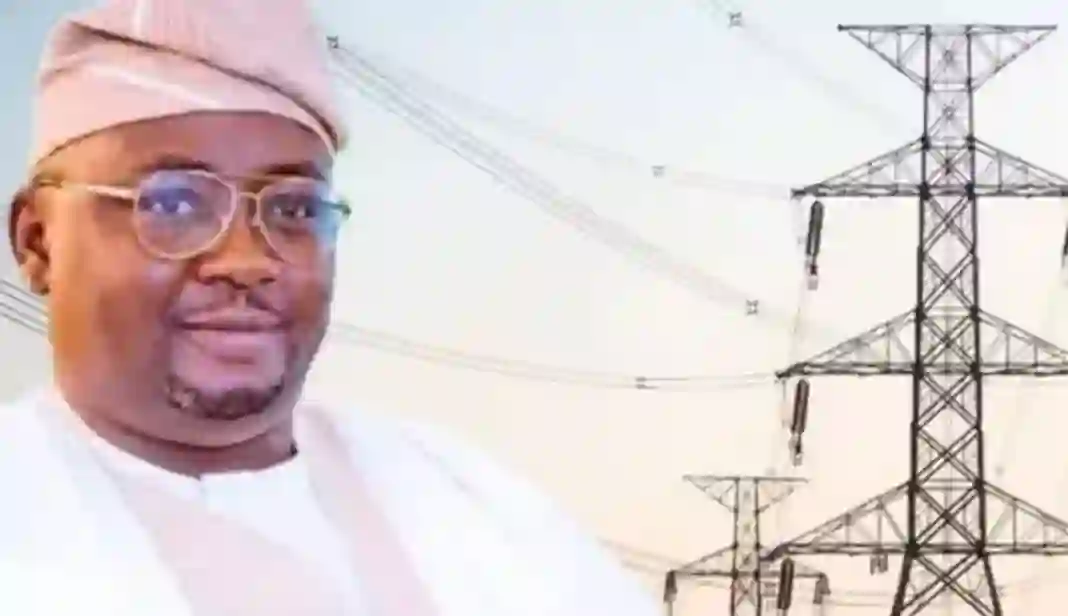
Speaking at an economic summit in Abuja on Monday, Minister of Power Adebayo Adelabu said the project is part of a broader effort to decentralize power generation and encourage large energy users, who previously disconnected from the unreliable national grid, to reconnect.
“It’s part of plans to decentralise power generation in Nigeria and get the heavy commercial users that left the power grid because of its unreliability to return,” Adelabu stated.
According to Bloomberg, Adelabu confirmed that negotiations with China’s Exim Bank are ongoing, and financing for the super grid has already received cabinet approval.
Currently, Nigeria generates around 13 gigawatts of electricity, but only about a third reaches consumers due to frequent central grid failures. By contrast, South Africa, with a population a quarter of Nigeria’s, has an installed generation capacity of roughly 70 gigawatts.
The persistent power shortages have forced many businesses to rely on self-generated electricity, which now accounts for nearly half of national consumption.
Adelabu said the new super grid will improve electricity flow to industrial zones and stimulate manufacturing growth.
Since President Bola Tinubu took office in 2023, his administration has rolled out economic reforms, including removing fuel subsidies, overhauling the tax system, and enhancing security in oil-producing regions to attract investment.
The government also approved higher tariffs for some urban electricity consumers to strengthen the financial sustainability of the power sector. Bloomberg reports that this policy led to a 70 per cent increase in revenue for electricity distribution companies in 2024, with projections for further growth to N2.4 trillion ($1.6 billion) in 2025.
Follow Us on Facebook – @LadunLiadi; Instagram – @LadunLiadi; Twitter – @LadunLiadi; Youtube – @LadunLiadiTV for updates




No be today