
35-year-old rapper Shah, who rose to national prominence after serving as mayor of the capital, Kathmandu, is now poised to become the country’s next prime minister in one of the most striking political shifts in recent Nepali history
The March 5 election was the first since youth-driven anti-corruption protests in September turned deadly and forced the previous government from power.
Shah also achieved a symbolic win by defeating veteran politician and four-time prime minister KP Sharma Oli in his own constituency. Oli’s Marxist-led government had been removed during last year’s unrest.
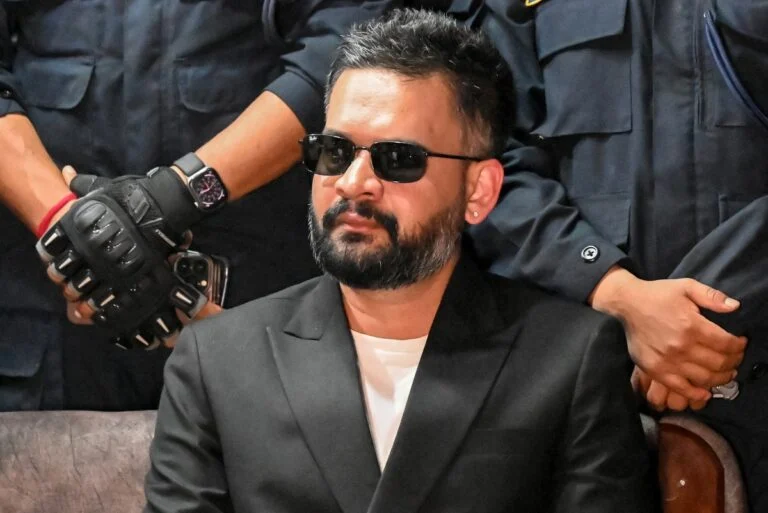
During the election period, videos of voters imitating Shah’s dance moves circulated widely on social media, highlighting the unconventional campaign style that helped boost his popularity.
Voters were electing members of the 275-seat House of Representatives, Nepal’s lower parliamentary chamber. Of these, 165 seats are filled through direct elections while the remaining 110 are allocated through proportional representation.
In the direct vote, RSP secured 125 out of 165 seats, according to official figures. In the proportional representation count, the party also holds the largest share of votes so far, with just over 200,000 ballots left to be counted.
“We are close to finishing the counting now,” Election Commission spokesman Narayan Prasad Bhattarai told AFP. “We will have the final number of PR seats soon.”
If the current trend continues, RSP is expected to win about 176 seats overall, a landslide victory though slightly short of the 183 needed for a supermajority in parliament. Final seat allocations may still shift slightly depending on how votes for smaller parties that fail to meet the threshold are treated.
Constitutional law expert Bipin Adhikari said the process of forming a new government could still take more than a week.
“Once the commission submits its report to the president, he will call on RSP lawmakers to name the prime ministerial candidate,” said Adhikari, a professor at Kathmandu University. “Only after that will his appointment take place.”
Meanwhile, Nepali Congress, which held the largest number of seats in the previous parliament, won 18 constituencies in the direct vote, while the Marxist party led by Oli secured nine.
Follow Us on Facebook – @LadunLiadi; Instagram – @LadunLiadi; Twitter – @LadunLiadi; Youtube – @LadunLiadiTV for updates


CONGRATS